Home» Top Storeis
IAED Outlines Strategic Vision for Agro-technical Economics and Academic Publishing
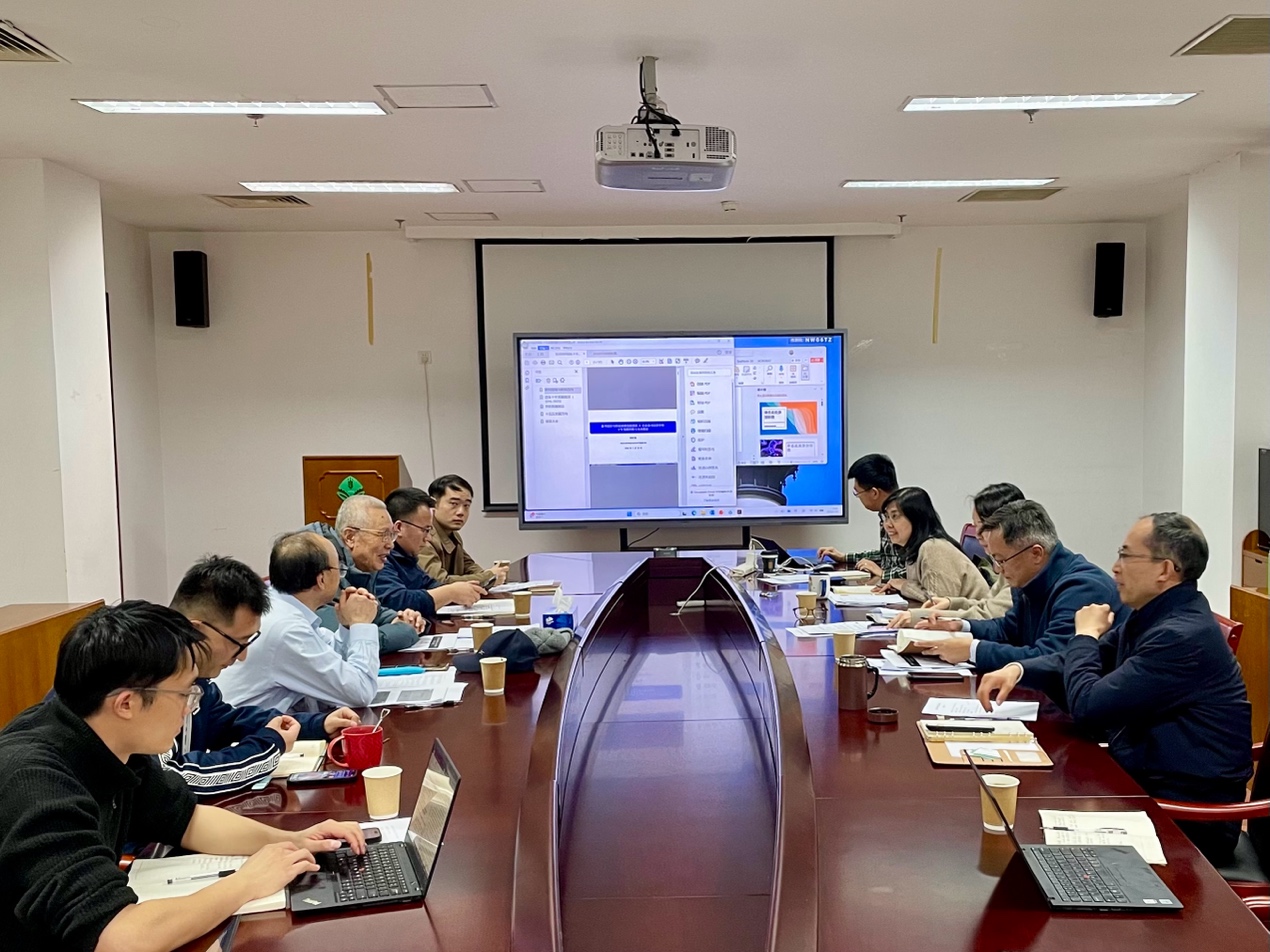
BEIJING — The Institute of Agricultural Economics and Development (IAED) of Chinese Academy of Agricultural Sciences (CAAS) recently convened a high-level seminar to strategize the advancement of the Agro-technical Economics discipline and the development of its affiliated academic journals. The meeting served as a platform to evaluate current progress, address systemic challenges, and define a strategic roadmap for the discipline’s future growth.
During the session, distinguished experts emphasized the need for a dual focus on tradition and innovation. Prof. Zhu Xigang advocated for maintaining the "Chinese characteristics" of the discipline while keeping technical and economic efficiency evaluation at its core. He called for a greater emphasis on original research outputs supported by rigorous empirical studies and scientific measurements.
Complementing this view, Prof. Wu Jingxue highlighted the importance of aligning research with modern trends such as green, low-carbon development and digital agriculture. He proposed a "four-dimensional synergy" approach—integrating technical advancement, economic rationality, production feasibility, and environmental sustainability—to drive interdisciplinary integration and methodological innovation.
Prof. Hu Xiangdong, Director of the IAED, underscored the institute’s commitment to establishing Agro-technical Economics as its "flagship discipline." To achieve this, he urged for more "organized research" and the optimization of resource allocation to enhance the discipline's global competitiveness. He also stressed that improving the quality and influence of the institute's journals and academic societies is paramount to its mission.
Prof. Mao Shiping, Party Secretary of the IAED, framed the discipline as a vital component of China’s independent knowledge system for philosophy and social sciences. He stated that research teams must pivot toward "mission-oriented" and "problem-oriented" systemic research. By leveraging the convening power of academic societies and journals, Prof. Mao aims to build a robust national academic community that leads the industry forward.
Heads of relevant administrative departments, research faculty from the Agro-technical Economics Research Division, and editorial staff from the Institute’s publishing house also participated in the seminar.
Quick Links